
Can you support Outside Perspective?
We’ve been running OP for just over four years, and in that time, we’ve grown to a community of around 5k, offering peer-support, curated gigs and curiositystream. If the project has helped you, we’d love to ask for a little support in return, to help ensure the sustainability of our platform, by upgrading your subscription.
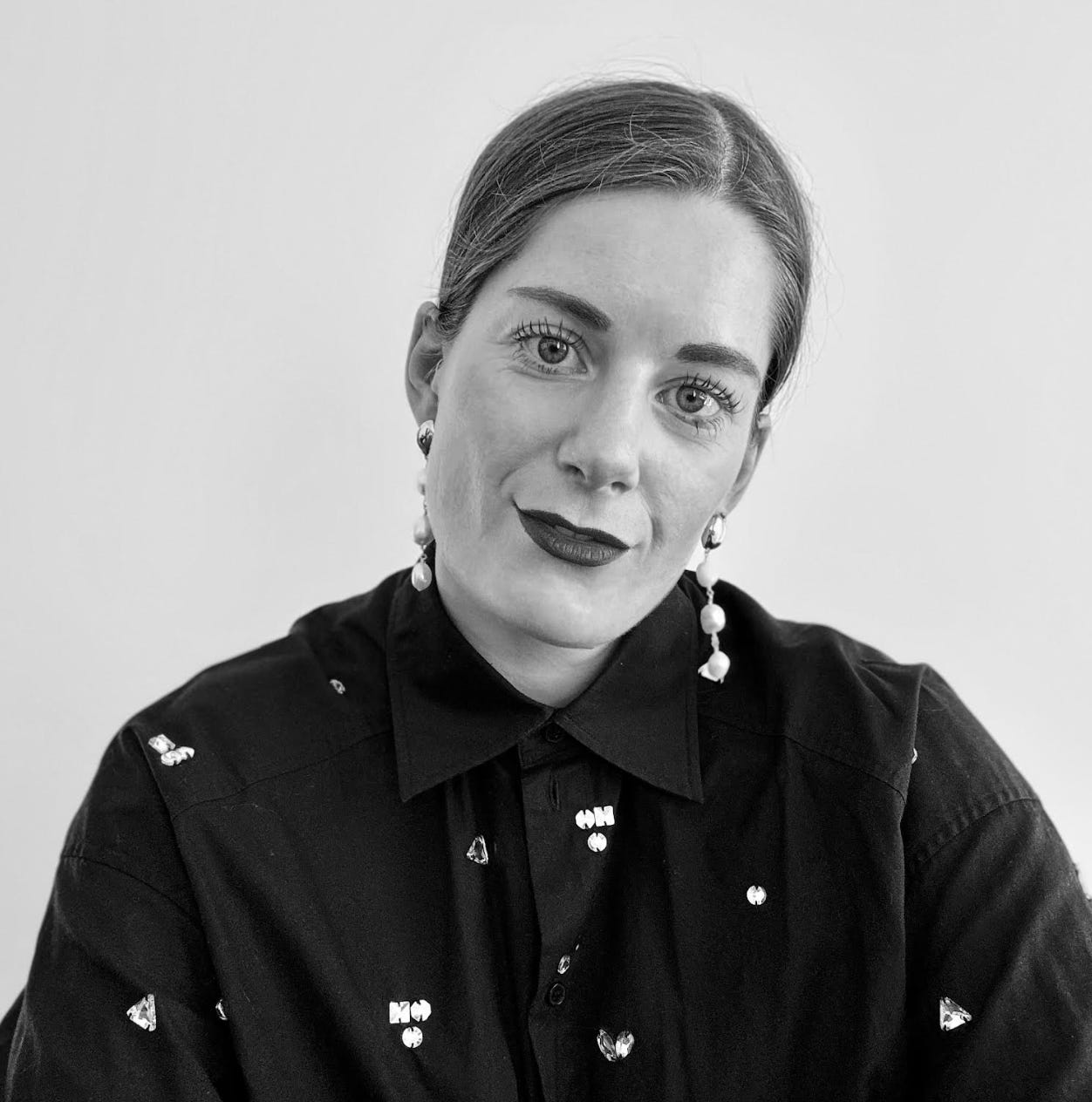
This week’s editorial comes from Caitlin Mayance, strategist, futurist and founder of nouvôt.
Ok so, describing myself as pathologically positive in times of polycrisis might be a risky move but let’s see…
Because given the state of the world right now (pick your crisis) it is entirely normal - and understandable - to feel a sense of despair and lack of hope for a better future. But at what point does that stop being helpful? Cynicism and apathy may seem less straight-laced, but are easy energies to adopt that change nothing - or nothing good.
As a kid, I got the nickname “Sunshine” and as an adult - thirty-plus years later - I realise non-family members call me Sunshine too. I always considered myself an eternal optimist, turns out other people agree.
Who needs the energy of a ~4.5 billion-year-old yellow dwarf star? I got u.
I’m not an optimist because I have my head in the sand and think things are totally fine. I’m optimistic because it’s the only rational means to believing that change is actually possible. We cannot design a better future while simultaneously insisting one isn’t possible. Hope is not a cutesy ‘nice to have’, but instead it is as Rebecca Solnit wrote, “Hope is an Axe”. Where do we go without hope?
There are a lot of massive, systemic problems to solve yes, but none of us has to carry it all, alone. That’s why there are so many of us, social creatures who can (at times/often) create cool things together. Some of y’all did not grow up watching A Bugs Life and it shows.
So yep, here’s to being pathologically positive in times of polycrisis. Better than the alternative.
» Connect with Caitlin in the community, on her Linkedin, or follow her substack.
Where to begin with better futures? Right here - not just 50 lovely ideas for the future but also interactive : https://www.ie.edu/insights/ideas-to-shape-the-future
Perfectly Imperfect is great for when you want to remember early internet chit-chats before news media entered the feeds. Especially love threads like this one, on collections : https://www.pi.fyi/ask/85974db
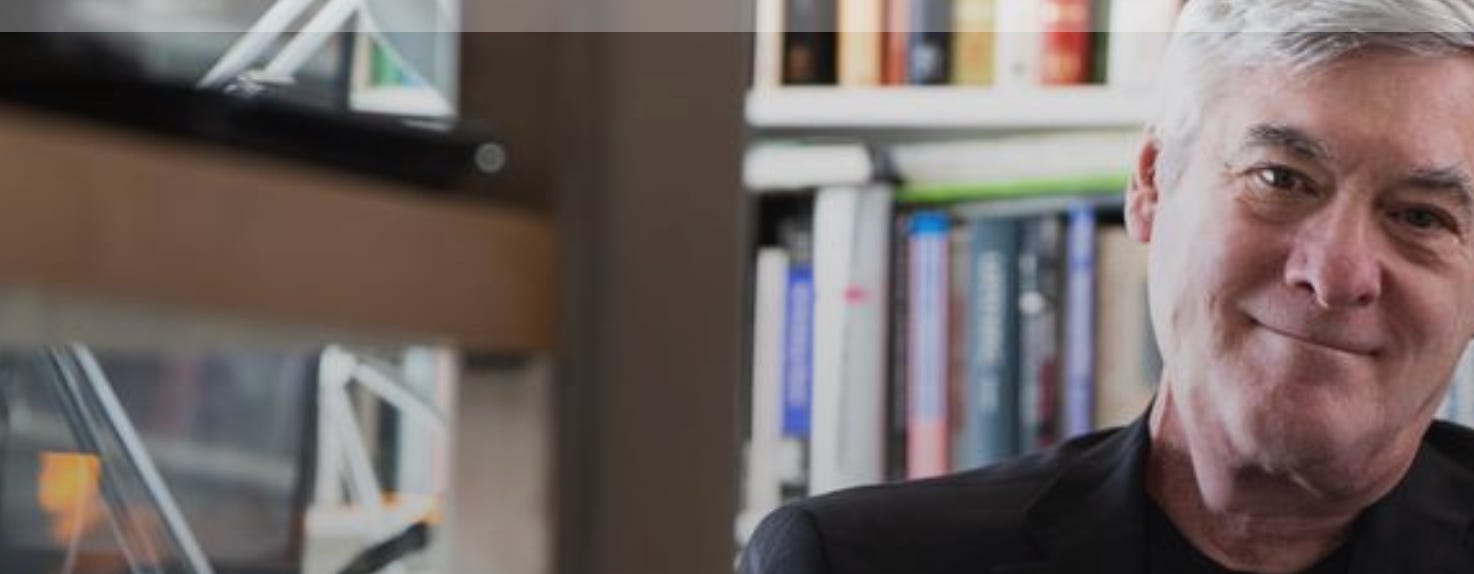
In my spare time, I browse and imagine we have competent, cooperative global governments. “Joe Paradiso thinks that the most engaging research questions usually span disciplines”: https://www.media.mit.edu/articles/how-joseph-paradiso-s-sensing-innovations-bridge-the-arts-medicine-and-ecology/
QuietMedia by launched this week! A beautifully printed zine that examines the systems shaping modern life and how we might reclaim our attention.
For anyone stuck on problems, here’s some biomimicry inspo:
https://asknature.org
Extra bonus one:
A microscopic tardigrade going for a stroll through some algae.
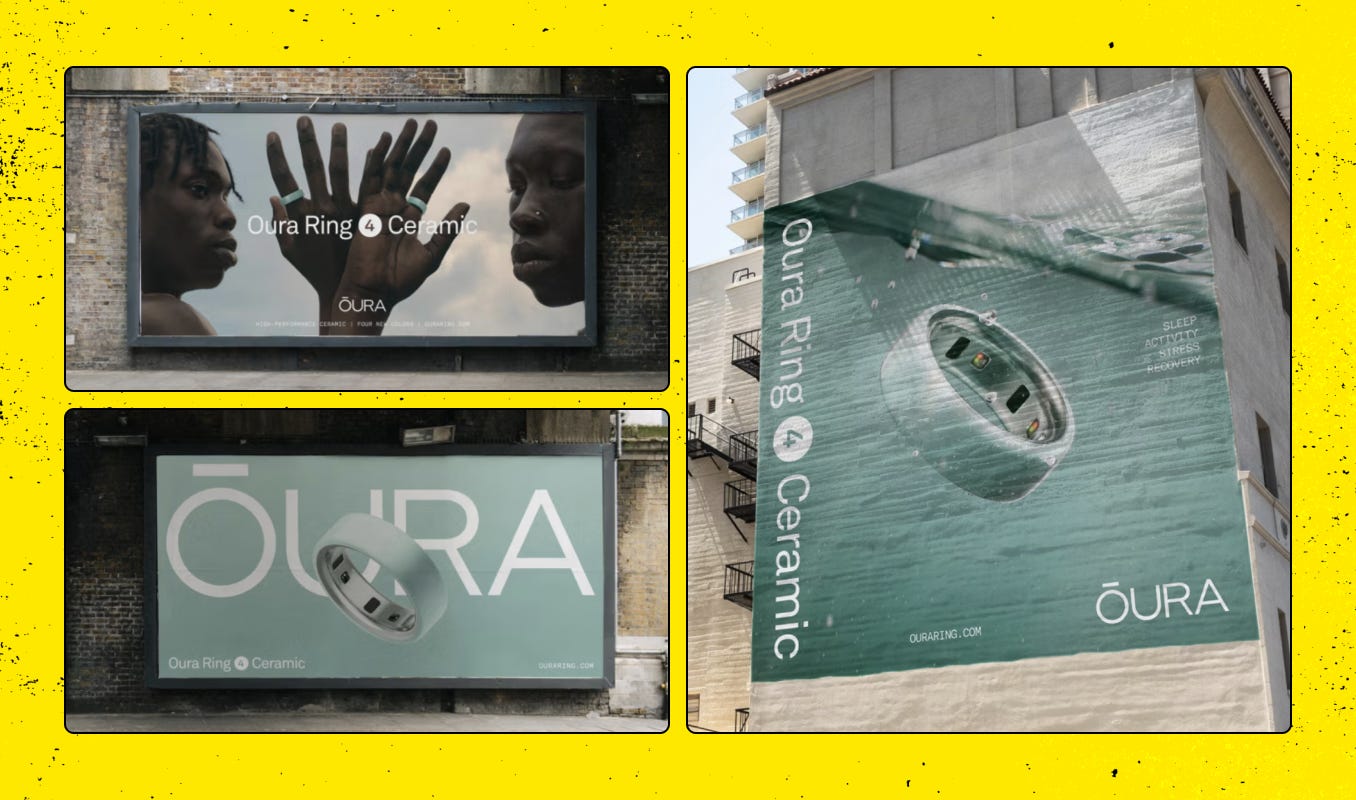
» Koto on the state of wearables
» Validating ideas before developing them (I know I’m guilty of not doing this)
» The Guinndex - thanks Rowan
» Some good reading suggestions from LookUp
AI & Us is a new series from strategist Rowan Kisby examining how AI is starting to reshape ordinary, everyday behaviours, and what those shifts mean for brands. In the Kitchen - the first report, explores how AI is changing not just what people cook, but how they decide, discover and build confidence along the way. It also looks at the other side of the shift: the growing flood of AI-generated food content, and what that means for trust, authenticity and brand visibility.
Rowan, this report is a more grounded take on AI, getting past the hype and looking at more real world applications. What prompted you to explore these more practical implications?
Basic noseyness! And the fact that I love experimenting myself, so was really keen to see what others were doing. More seriously, as a strategist looking to help brands work out the real, practical impact of the tech, a deeper understanding of what real people are actually doing with it is essential to get beyond anything that’s too broad to be useful when you really get down to specifics.
Are brands starting to understand how widespread the implications for use of AI in how they market, reach and sell to consumers?
Engagement with the various assistant betas (instant checkout, ads) and apps suggests there’s appetite there. But I suspect for many they’re treating it as a series of innovations to explore vs having a cohesive approach and programme of work - which isn’t a disaster as we wait to see how behaviour evolves, but more granular understanding of behaviours will help level it up into something more sophisticated and put brands on the front foot as capabilities evolve and adoption/trust in the tech scales. For me, the trick isn’t just putting existing functionality into an AI app, it’s working out what new functions AI might make possible - hence my perennial favourite example of being about to get a recipe based on what’s in stock in your local high street supermarket, and check out there and then - or choose delivery/collection in the assistant.
Do you think there’s a near future where marketeers are going to switch their focus from selling to humans to selling to machines, as AI takes more of the decision making from humans, especially in things like FMCG?
Yes. But not a shift, more an inclusion of an AI audience. Search is a great place to see this at the moment. You don’t want to destroy your SEO with quick GEO tricks; instead, you need to have a strategy for both humans and assistants that compliment not cannibalise each other. At the moment, I’d say AI audiences become more important in the consideration phase; awareness is likely going to remain a content/comms for humans play. Conversion is up in the air at the moment as everyone trials checkouts (recent instant checkout results were a little discouraging, but it’s early days) but I expect once they’ve optimised the process, it’ll strengthen. I’m looking at assistant behaviour at the moment, but then of course there’s agents, which opens up your existing ecosystem to AI-executed conversions too. Complicated, isn’t it? There’s a lot to keep an eye on to see what actually makes it through to consumers at scale.
» Read the full report at https://buff.ly/S0Apt4q, or connect with Rowan on LinkedIn
We’re hosting our next OP huddle on April 9th 10:30am UK time, with double-bill Show&Tell session.
Nabila Richardson will be talking about her podcast in development, and is looking for input on the concept.
Selicia Richards-Turney will be sharing a cultural intelligence tool she’s built to support the students on her courses.
There will be open discussion as a group, so come along, and meet some fellow community members.
» Register here to join the session.
A digest of recent gigs found and shared via our community - plus things from our friends and partners. Want to reach 5k+ strategists for your next project? Drop me a note.
[Remote] Freelance Brand Strategy B2B with energy sector and Arabic language exp at HAALA
https://bit.ly/4sJRpCE
[DE] Freelance Creative Strategist (growth marketing/meta/google) at GetYourGuide
https://bit.ly/47t2Ar4
[UK] Freelance senior social strategist at boomerang
https://bit.ly/4djky30
[AU] Freelance Senior Strategist / Strategy Director at Digitas
https://bit.ly/4dRh083
[DE] Freelance Creative Strategist at up collective
https://bit.ly/4bIR7pS
Don’t forget, we share these in real time here:
» Web
» Telegram
» Whatsapp
+ and of course, our slack channel if you’re a community member.
That’s all for this week.
mk✌️
Get our Community Edition delivered to your inbox every week.