

It’s half-term this week, and my daughter asked to come along to a workshop I was running with a client.
She’s in the middle of organising work experience for summer of next year, and I remember when I was a kid (also with a self-employed father) coming along to a few work things with my dad, and the people in those organisations being so welcoming and interested in what I thought about things.
It has prompted me to think more about, with the increase in remote and independent work, how the role of “being together in a physical space” is changing, yet how crucial it was for my (and probably all of our) formative years early in my career.
This was where we learned. Where we learned the craft, the politics, about chemistry and relationships, about communication skills - but also about how dehumanising some workplaces could be. It’s where we got made redundant, it’s where we made life-long friendships, it’s where we spent too many late nights, but also many joyful moments with colleagues.
I’m not a supporter of enforced “being on-site”, but I also recognise the value of coming together and learning from others. As more folk, especially those earlier in their careers, join independence, the support systems will need to change too. How we learn, how we connect, how we mentor, how we build relationships.
Agencies used to offer incubation for emerging talent.
Today, something new is needed.
Matthew.
ps. Don’t forget - our annual survey on mental health in self-employment is open now. We need as many people to take part as possible. If you’ve already participated, thankyou! Please encourage your network to do the same.
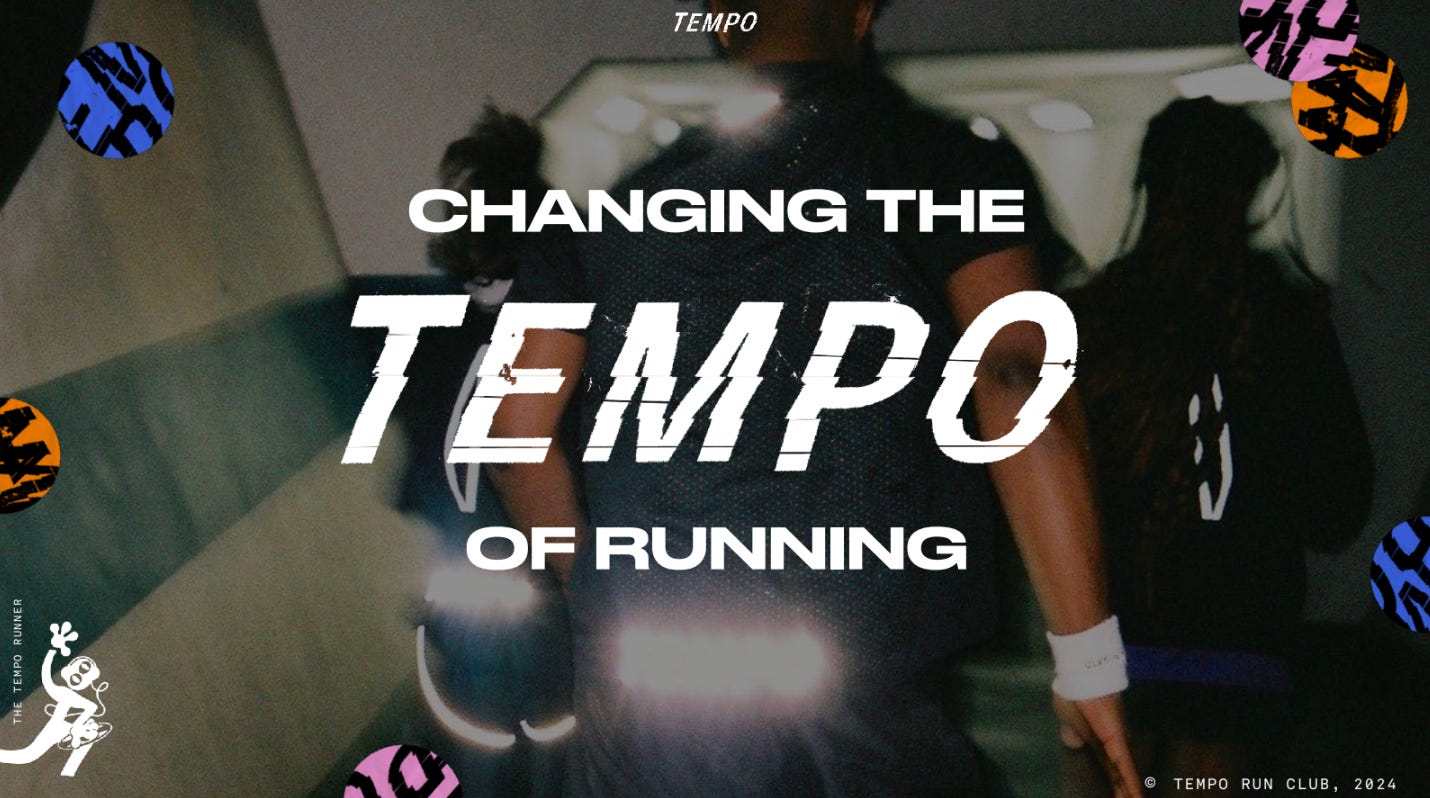
This week, I spoke to Henry Degnin, independent strategist, working with brands like Nike and Selfridges, and co-founder of Tempo, who recently released a report on the changing landscape of run clubs.
Henry, what is Tempo?
Tempo is a Peckham-based run club I co-founded with Martha in 2018. We met through DJing and wanted to create something wholesome for our peers in music.
Our core offering is a gentle 5km run that’s genuinely welcoming to beginners, plus “Move & Mix” sessions combining running with DJ workshops.
We’re now a Community Interest Company, which means our brand work can fund targeted outreach like our recent work with Lewisham Music reaching young people in South London.
Martha and I both have other careers (she’s on Radio 1, I run my own strategy business), so it’s definitely a labour of love focused on keeping things fun, free, and accessible in an increasingly unaffordable area.
What prompted the work into looking at the new running club scene, and what is the report aiming to do?
The explosion of run clubs brought with it a flood of misaligned brand requests, and we felt we needed to articulate our position.
Whilst some new run clubs seem genuinely fun and inclusive, most still follow the same playbook: performative, competitive, having the “right” gear etc.
Also as a female-led initiative, we’re particularly wary of the dating narrative that’s emerged.
Male presence at Tempo (including my own) exists primarily for safety. It prevents harassment, not facilitates hookups. The dating angle can add unnecessary pressure.
It feels like there’s an active push-back against digital community in a lot of sub-cultures right now. Dating apps are trash, social media is the worst, and post-covid, f2f experiences have blown up in a big way, with exercise being a major part of this. Why do you think we’re seeing this shift?
It’s no revelation that excessive screen time is miserable, and exercise specifically offers affordable community.
Run clubs and other low barrier stuff like calisthenics costs less than nights out or meals at restaurants in this economy.
Though ironically, the expensive gear culture can create its own barriers.
You mention Neurodiversity in the report, and how it plays a major part in how you design your experiences to be inclusive. Can you talk to why this is such an important part of your thinking?
Competitive sport can be very exclusionary by design: demanding consistency, emotional suppression, perfection, extroversion, and aggression.
The content creator era has amplified this with algorithm driven coaches who are loud, shouty and to be honest just a bit annoying.
We intentionally create calm spaces that welcome diverse communication styles typically excluded from sport.
If you want to be yelled at whilst chasing PBs, there are thousands of other run clubs for that.
A big portion of the report is about how brands can activate communities effectively - are brands ruining “community”, or do you think it’s a mutually beneficial relationship?
I think all of this stuff goes in cycles. We’ve been doing it for 6 years now and we’ve seen trends come and go. I’m not trying to give it the biggun by saying that either,
Charlie/Run Dem are the originators in my eyes and they deserve all the flowers.
But 6 years, with the pandemic sandwiched inbetween, is definitely long enough time for us to experience running being super unpopular overall, to running alone during COVID to run clubs becoming the in thing.
In terms of the industry, when we started we were a part of Nike’s community programming when “community” was the buzzword, and now the industry is obsessed with the word “culture” and what “depth” means in cultural partnerships.
Ultimately marketing people always need a what’s next, something to be scared of, a tension, something to solve. This uncertainty is how we sell our services to brands.
But for me, when it comes to the running space, audiences just want good products and experiences that add value to their lives. They don’t care if your brand spent 6 months researching subcultural semiotics.
We’ve seen brands get stuck overthinking “cultural authenticity” whilst missing simple opportunities to show up and support. Sometimes the best partnership is just paying DJs fairly, giving communities resources and not overthinking it.
The obsession with “depth” often becomes an excuse for inaction - or worse, over-intellectualising simple concepts. A brand providing good sound at a running event isn’t “surface level” - it’s practical support that runners actually appreciate.
There’s a time and a place for thought pieces, and arguably I’m low-key doing one by typing this out, but ultimately strategy should enable action, not replace it.
» Follow Henry on LinkedIn, Tempo can be found on Instagram, and you can download the “Changing the Tempo” report here.

» Nick Barron on comms careers in an AI world
» Hopeful Monsters explore what fractured culture means for marketing in their new drop, 1000 Tiny Pieces.
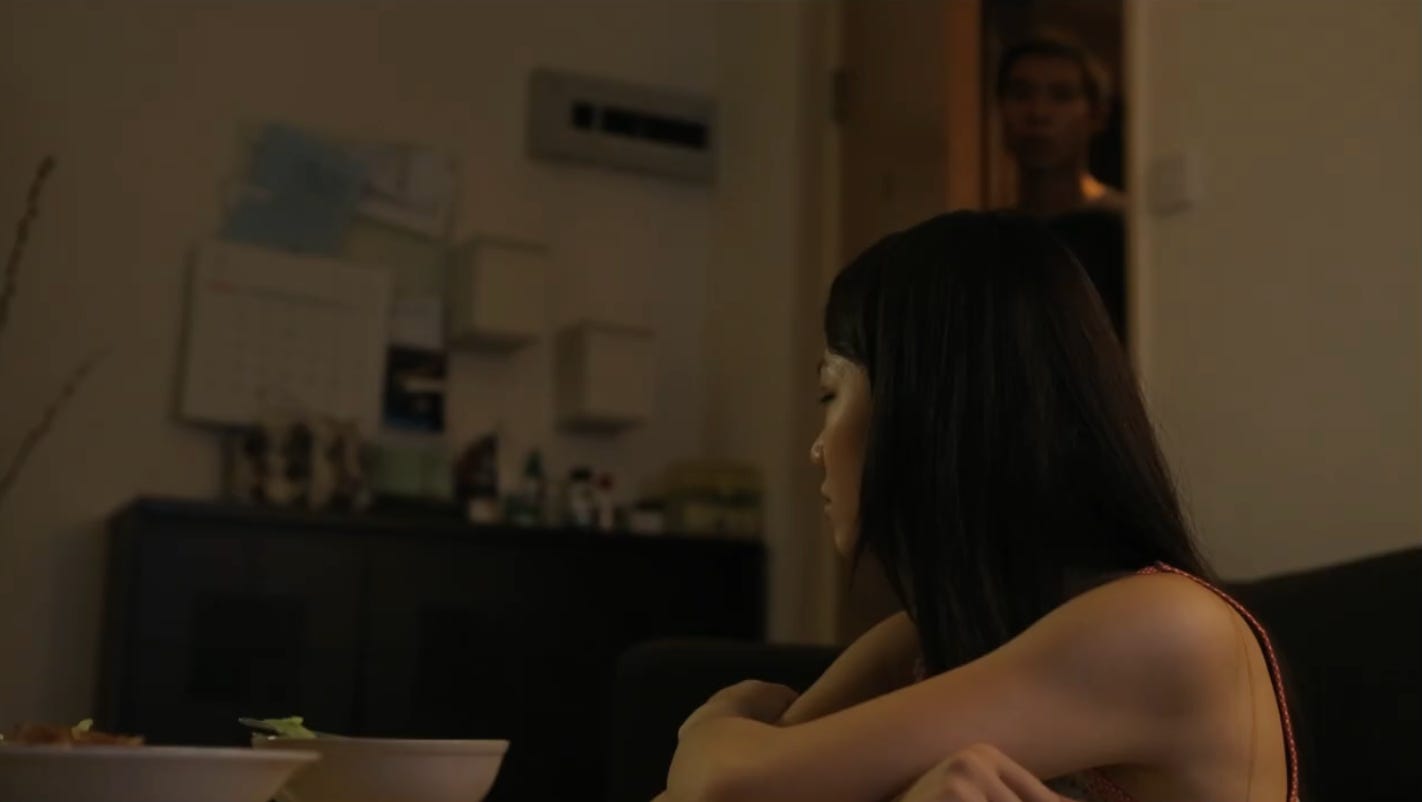
» Matthew Hook on the value, importance and challenge of brevity
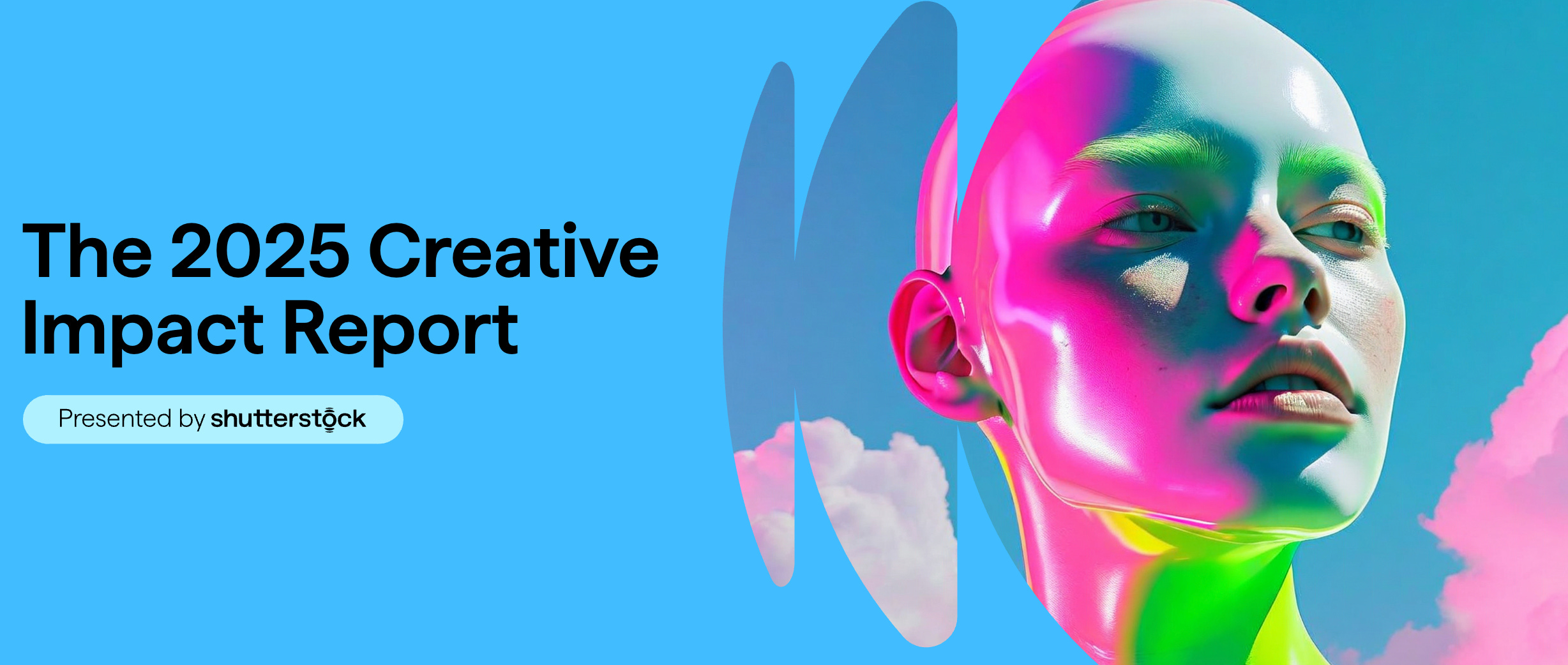
» Shutterstock’s 2025 Creative Impact report
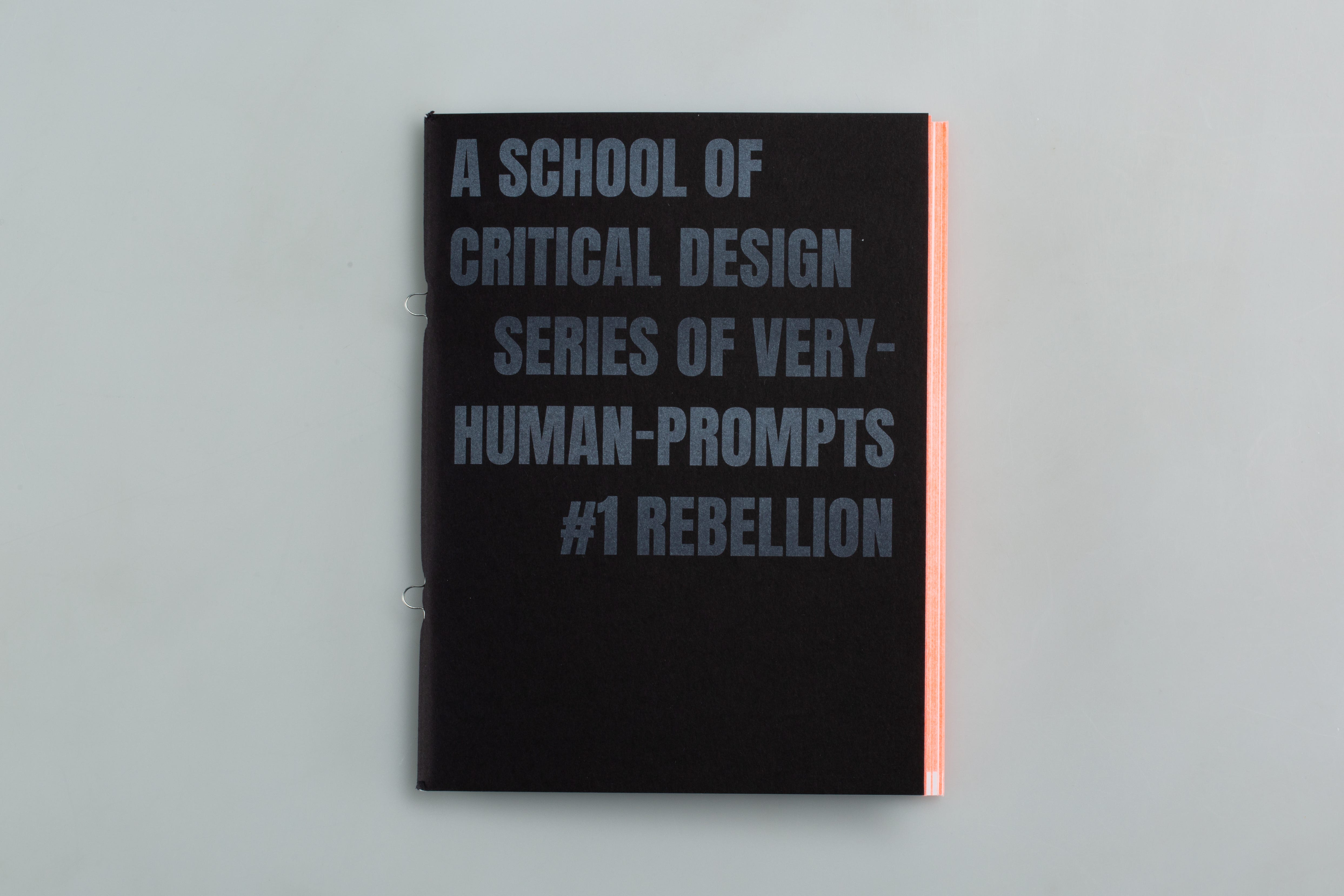
» Gemma Jones et al have published an anthology of responses to the prompt REBELLION from the School of Critical Design community.
» Adnan Habis asks, do we want AI-driven hyperpersonalisation?
» Izy Dixon is hosting a Sketch & Sip session in November.
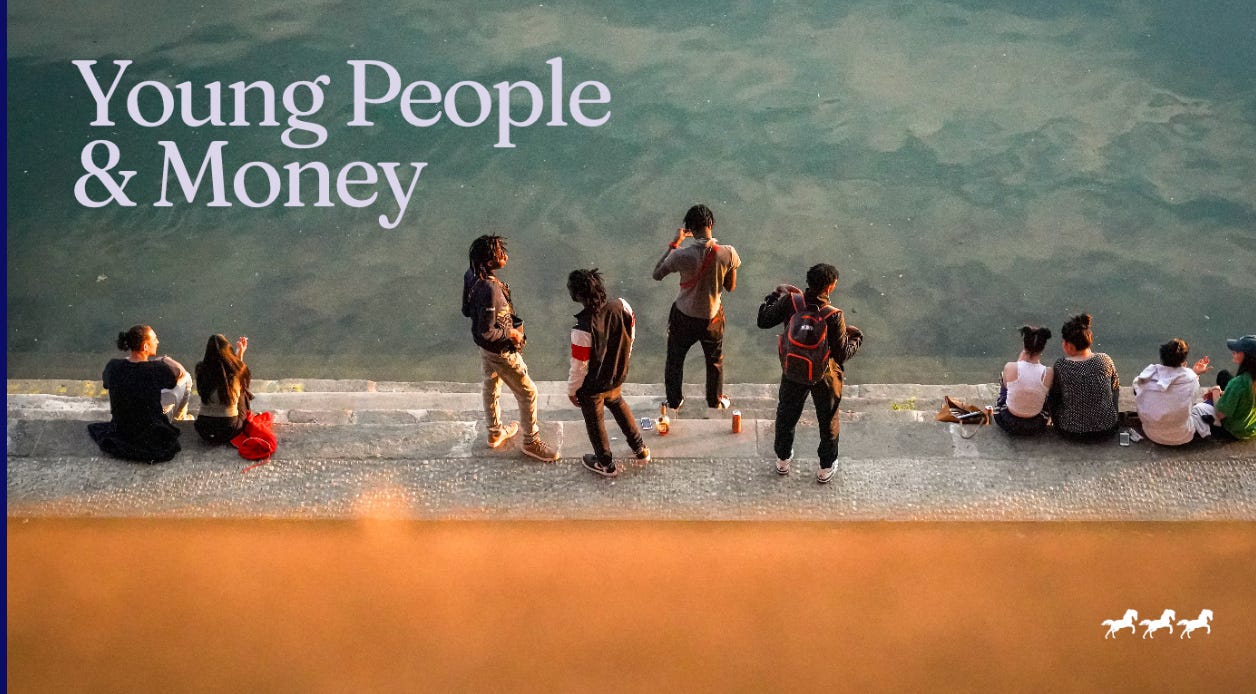
» David Akermanis drops a new report on young people and money
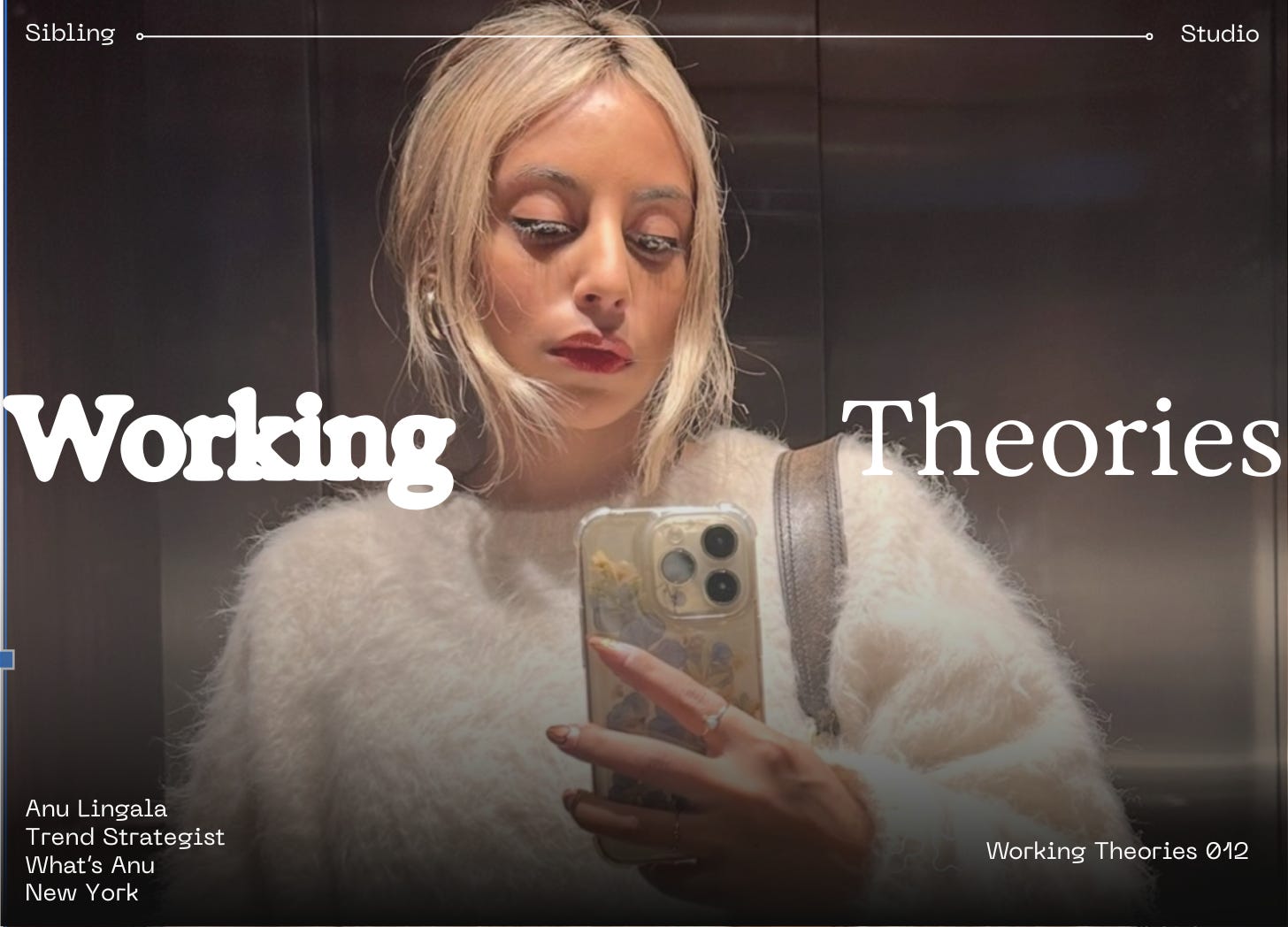
» Lingala is featured in this week’s Working Theories, and this post on the death of cool is a great read.
» Do you still need a website? thoughts from Koto

I’m a freelance marketing and communications professional specialising in the not-for-profit sector. I help charities to craft effective communications strategies and develop their brand. I also love to work with teams to upskill and reshape themselves into high-performing powerhouses.
I kicked off my career in the advertising world, working at creative agencies including Grey London and the legendary adam&eveddb. There I led the development of multi-channel campaigns for big-name brands including Marks & Spencer, John Lewis, and Quorn.
I was lucky enough to work on some pretty epic campaigns. The global re-brand of M&S, and repositioning Quorn, convincing families to swap the usual chips & nuggets for Quorn nugs, ‘helping the planet, one bite at a time’. And I had a hand in the iconic John Lewis Christmas Campaign, bringing Edgar, the fire-breathing dragon, into the digital world and even creating playful TV idents for shows like I’m a Celebrity.
Then, handbrake turn. I moved into the third sector, joining an international charity dedicated to improving education access for the world’s most vulnerable children. In my first week the Taliban took over Afghanistan, home to the charity’s largest education programme at the time. A very different kind of comms pressure.
During my time there, I led communications, marketing, media, and donor engagement teams across more than 25 countries. With small teams, tight budgets, and growing scepticism of international aid, I had to think differently, often borrowing big-brand thinking but without the inflated budgets. The team achieved unbelievable results, securing partnerships with high profile celebrities including Dame Helen Mirren and Sampha, growing social channels by more than 800% and bucking the trend in fundraising, delivering record-breaking income for the charity.
Specialising in the third sector is tough, especially now, but I’m a big believer that effective communications can drive real impact and change perceptions.
I love any chance to talk about a partnership I developed between LABRUM London and adidas. I’m always on the lookout for fresh, creative approaches to comms and I was searching for a way to bring new energy to the charity’s flagship event, the Sierra Leone Marathon. It’s been running for 15+ years and it’s incredible but a big undertaking for anyone to sign up: think 30 degrees & 90% humidity.
I reached out to LABRUM London’s founder, Foday Dumbuya, the Sierra Leonean designer behind Arsenal’s away kit, and somehow managed to convince him (still not quite sure how) to co-create bespoke marathon kit for the event. This strategy extended the event’s footprint into the fashion and cultural space, generating coverage in outlets including DAZED (3M reach) and attracting high-profile supporters such as Wretch 32, Sampha and Ghetts, while creating a new revenue stream and conversion funnel for the charity.
We even got Foday out to Sierra Leone to take part in the event himself and the content that came from that was just brilliant. I loved that this partnership took a running event to a completely new audience while connecting us with an incredible designer who has genuine ties to the country and the cause.
The cherry on top was the LABRUM London team, especially Foday, are incredible human beings and a joy to work with.
Time spent online is finally on the decline and younger audiences are leading the way, cutting back on doomscrolling in favour of community and real connection.
For some, that will have sparked panic.
But for charities, it’s actually an opportunity. In feeds oversaturated with dull, forgettable content, they have a real chance to stand out and to build authentic, story-led channels that actually make people stop and feel something.
In a landscape of shrinking aid budgets and financial pressure, the third sector can’t afford to play it safe. This is the time to lean into emotion and connection, to make people feel something again.
On the brand side, those who can deliver real, relatable content will keep winning. Take SULT, for example. They’ve built their brand in public, showing all the gnarly, honest parts of starting a business. They understand their audience inside out, and every touchpoint proves it. Others will try to follow suit, but not everyone will deliver.
All in all, I think people are done with polish when it comes to scrolling their social feed.
Reading: I’m currently reading Richard Osman’s latest book ‘The Impossible Fortune’. Great light relief following elderly detectives crack murder cases.
Listening: I’m listening to the BBC’s ‘The Moral Maze’ podcast which is a really engaging live debate focusing on the moral issues behind the major news story of the week. The episode on the moral value of disgust is worth a listen!
Watching: I’m watching House of Guinness whilst consuming anything made by Bold Bean whose brand I also really admire.
» Connect with Alice on LinkedIn, or via the community.
No room for gigs this week. I’m in the process of redesigning how we share gigs, to make it easier, faster and support more people. You can keep updated on real-time posts as we share them via:
» Web
» Telegram
» Whatsapp
+ and of course, our slack channel if you’re a community member.
That’s all for this week.
mk✌️
Get our Community Edition delivered to your inbox every week.